Does Adding CO₂ Let Plants Use More Light? The Light Saturation Point Explained
A plant can only use so much light. Beyond a certain intensity, called the light saturation point, extra photons stop increasing the rate of photosynthesis. Carbon dioxide moves that ceiling. This article explains what the light saturation point is, how enrichment changes it, what response levels have been reported, and when the interaction is worth paying for.
What the light saturation point is
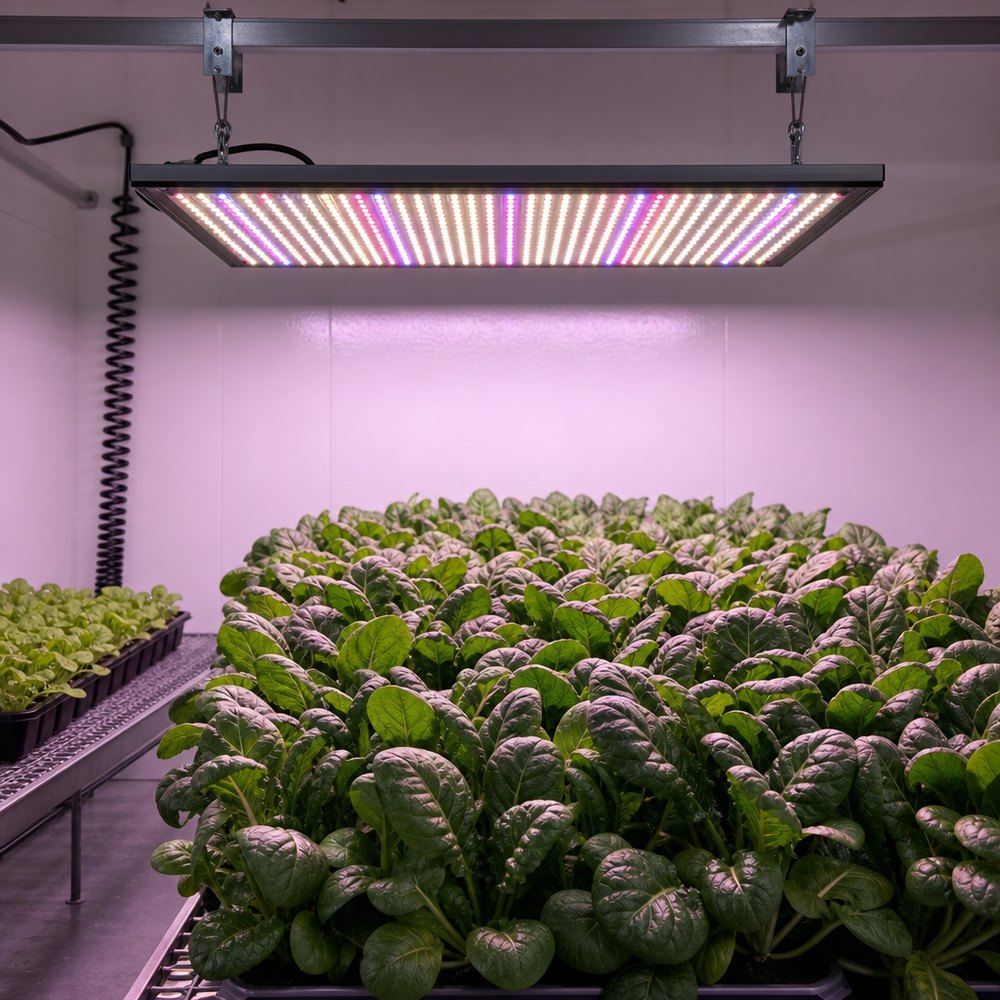
Photosynthesis does not increase indefinitely as light intensity rises. Oklahoma State University Extension defines the light saturation point as the maximum amount of light a plant can use: past that intensity, the rate of photosynthesis cannot be increased further. Additional CO₂ raises the light intensity required to reach the light saturation point, and therefore raises the rate of photosynthesis at that higher light level.
That single sentence is the whole argument for CO₂ enrichment in a lit growing space. Enrichment is not a substitute for light; it changes how much of the light you already have the crop can convert.
Why ambient CO₂ limits a sealed grow room
Carbon dioxide currently makes up about 0.04% (400 ppm) of atmospheric volume. Plants take it in through stomata in the leaves during the day, while respiration releases less CO₂ than photosynthesis consumes, so plants are effectively in a CO₂-deficient condition most of the time.
An ambient concentration of 400 ppm can occur in a properly vented greenhouse. In a sealed greenhouse the position is different: daytime concentration can fall to 150 to 200 ppm because the crop is consuming CO₂ for photosynthesis, while at night it is higher because of plant respiration and microbial activity. Exposure to low CO₂ even for a short period can reduce the rate of photosynthesis and plant growth.
What enrichment actually changes
Reported responses to CO₂ enrichment are large enough to be worth the equipment cost, provided the other inputs are already at an optimum.
| CO₂ concentration | Reported response |
|---|---|
| 150-200 ppm | Daytime level that can occur in a sealed greenhouse; can reduce photosynthesis and growth |
| 400 ppm | Current ambient atmospheric concentration (about 0.04% by volume); achievable in a properly vented greenhouse |
| 700-800 ppm | About double ambient; described as making a significant and visible difference in plant yield |
| 800-1,000 ppm | Increase in yield of up to 40%-100% for C3 plants and 10%-25% for C4 plants |
| 700-1,800 ppm | Range over which plants are reported to respond positively |
| Above about 1,800 ppm | Higher levels may cause plant damage |
Source: Dunn & Poudel, Oklahoma State University Extension, fact sheet HLA-6723 (2023). Response depends on the species' photosynthetic pathway: C3 species (most dicot crops, including geranium, petunia and pansy) respond more than C4 species, which include most grasses.
The CO₂ and light interaction in practice
The interaction has a clear seasonal signature. In winter, photosynthesis is often limited by low light intensity, and adding CO₂ without adding light leaves much of the benefit unused. An additional lighting system enhances the efficiency of the CO₂, and supplemental CO₂ integrated with supplemental lighting can shorten the number of days required for crop production.
The reverse is equally important: enrichment is largely wasted when nutrients, water or light are the limiting factors, because CO₂ only raises the ceiling that the other inputs set.
Timing, sealing and safety
Enrichment is a management practice, not only a dosing decision.
- Add CO₂ one to two hours after sunrise and stop two to three hours before sunset; this is described as the ideal duration, because plants are photosynthetically active from one to two hours after sunrise, peak around 2:00 to 3:00 p.m., and then decline.
- Leafy greens and vegetables grown in a hydroponic system can be supplemented with CO₂ together with a grow-lighting system around the clock.
- A room has to hold the gas. Concentrations can only be maintained when vents are closed, which is why maintaining a high CO₂ level is difficult on warm days when the house is vented to cool.
- Enrichment is most useful in the seasons when vents stay closed. A commercial operation cited by NC State Extension maintains levels of up to 1,500 ppm from September to April, enriching during daylight hours when plants use the additional CO₂ for photosynthesis.
- Feed in a pure form. Combustion-based generators can release carbon monoxide, ethylene, sulphur dioxide and nitrogen oxides; carbon monoxide should not exceed 50 ppm or enrichment becomes harmful rather than beneficial.
A decision framework for enrichment
Work through these steps before buying equipment, and re-measure after the room changes.
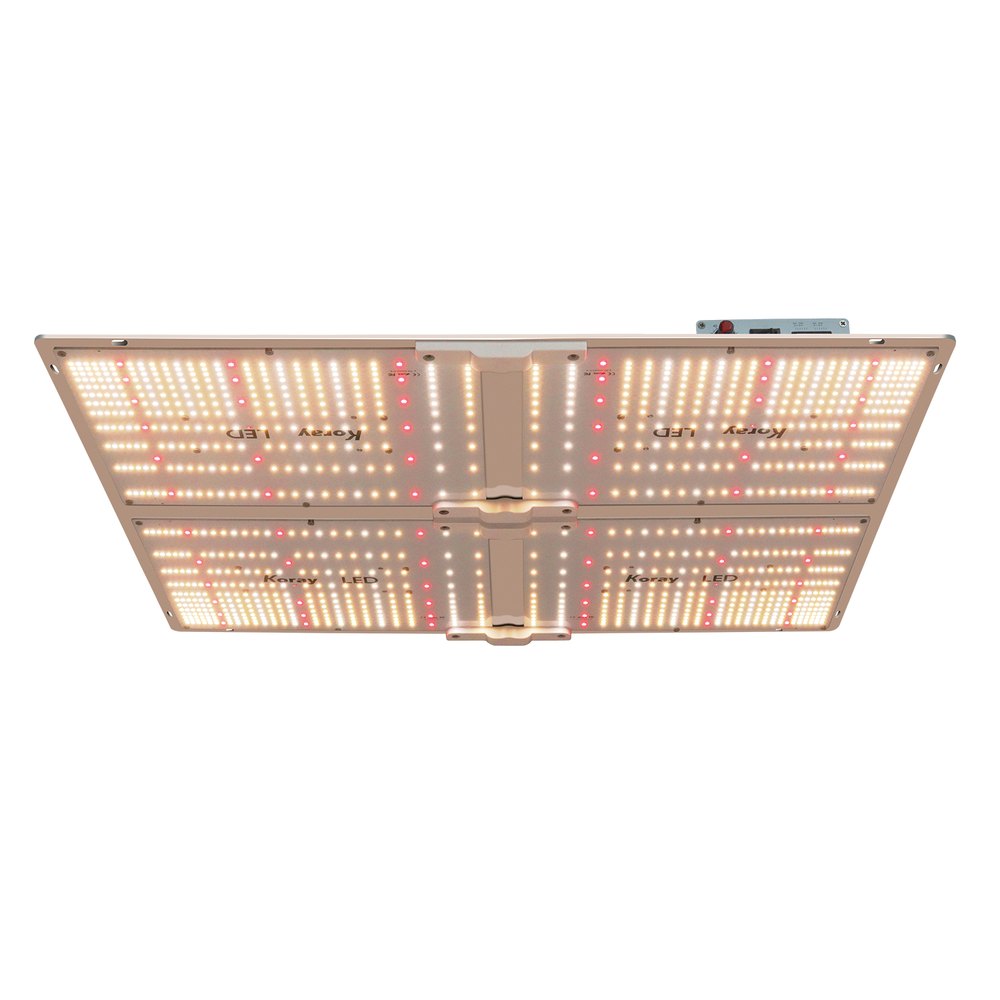
- Confirm light is not the limiting factor. If the canopy is below the daily light integral the crop needs, raise light first, because the CO₂ benefit depends on light reaching the crop.
- Measure the daytime concentration at canopy height rather than trusting a single controller reading. Sealed rooms can drift far below ambient during the day.
- Check that the room can actually hold the gas. Sealing and reduced venting are prerequisites, and this is the step that most often decides whether a project pays back.
- Aim for a target band inside the reported positive response range rather than the maximum, and re-check that the crop is still responding at that level.
- Plan for the side effects. Rapid growth increases nutrient demand, and reduced transpiration from lower stomatal conductance can affect calcium and boron uptake, so nutrient management has to be adjusted alongside CO₂.
Frequently asked questions
Does extra CO₂ mean I can use more light?
Yes. The light saturation point is the maximum amount of light a plant can use, and additional CO₂ raises the light intensity required to reach it, which in turn raises the rate of photosynthesis. In practice, the two investments work together: supplemental CO₂ integrated with supplemental lighting is reported to shorten the number of days required for crop production.
Will CO₂ enrichment work in an open or well-ventilated room?
Not effectively. Concentrations can only be maintained when the space is sealed and vents are closed, which is why the practice is seasonal in greenhouses: on warm days, venting to cool the house makes a high CO₂ level difficult to hold. A properly vented house will still sit near ambient 400 ppm rather than above it.
What CO₂ level should I target?
Reported positive responses cover a broad band, and the appropriate target depends on species, light level and how well the space is sealed. Doubling ambient to about 700-800 ppm is described as making a significant and visible difference in yield, and 800-1,000 ppm is the range associated with the largest reported yield increases for C3 plants. Levels above roughly 1,800 ppm may damage plants.
Does CO₂ help young plants more than mature ones?
Young plants are reported to be more responsive to supplemental CO₂ than mature plants. Seedlings supplemented in flats can be ready to transplant one to two weeks earlier, and supplementing at an early age reduces the number of days to maturity.
Can too much CO₂ hurt the crop?
Yes. Plants are reported to respond positively up to about 700-1,800 ppm, and higher levels may cause plant damage; excess CO₂ can be toxic to people as well as plants. If the CO₂ is produced by combustion, incomplete combustion is a second risk, because sulphur dioxide, ethylene, carbon monoxide and nitrogen oxides cause necrosis, flower malformation and premature senescence.
About the publisher
XineLam designs and manufactures LED grow lights and horticultural lighting for controlled-environment agriculture. The company has 17 years of experience in the LED lighting industry and holds 300+ patents in China and internationally. This article is published as neutral technical guidance; product guidance is limited to the applicable scenarios discussed above.
Sources and further reading
External sources referenced in this article:
- Dunn, B., & Poudel, M. (2023). “Greenhouse Carbon Dioxide Supplementation.” Oklahoma State University Extension, fact sheet HLA-6723. https://extension.okstate.edu/fact-sheets/greenhouse-carbon-dioxide-supplementation
- “Carbon Dioxide Enrichment in the Greenhouse.” NC State Extension (HortScans). https://hortscans.ces.ncsu.edu/uploads/c/a/carbon_d_52570d1851c70.pdf
- Review of CO₂ enrichment in greenhouse production. Frontiers in Plant Science (2022). doi:10.3389/fpls.2022.1029901 https://pmc.ncbi.nlm.nih.gov/articles/PMC9634482/